Movement and Decision Making
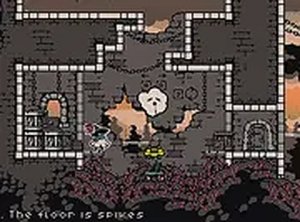
Swift Runner Quest combines traditional platforming with a branching narrative. Players control a character who must traverse each stage as quickly as possible while making decisions that influence the story. The core loop involves jumping between platforms, avoiding hazards, and choosing whether to interact with certain non-player characters. These interactions are not mandatory but affect which ending the player receives. This design encourages multiple playthroughs to see all possible conclusions.
Stage Layout and Optimization
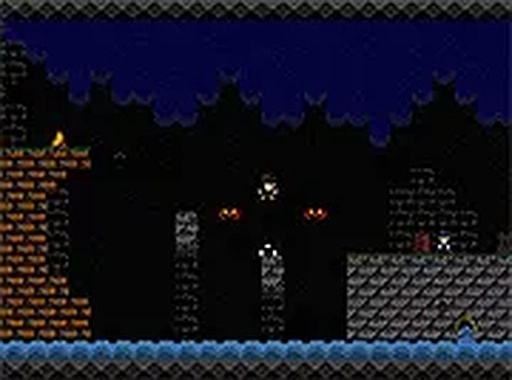
Each level presents a unique arrangement of platforms, obstacles, and collectible items. The layout is designed to reward players who learn the terrain and find efficient routes. Some paths may be shorter but require precise timing, while others offer more items but take longer to complete. Understanding the stage geometry is key to improving completion times. The game provides immediate feedback on performance, allowing players to track their progress.
Short Session Structure
A complete run of Swift Runner Quest takes approximately 15 minutes, making it suitable for quick gaming sessions. The game saves progress automatically, so players can return later without losing their place. This structure appeals to those who prefer brief, focused gameplay experiences rather than lengthy campaigns. The browser-based nature means no installation is needed, and the game works on both desktop and mobile devices.
Visual and Control Design
The game uses a clean 2D art style that keeps the action clear and readable. Controls are simple: arrow keys or on-screen buttons for movement and jumping. Full screen mode is available to minimize distractions. The interface is optimized for touch screens, with responsive controls that adapt to different screen sizes. This ensures a consistent experience whether playing on a computer, tablet, or phone.