Little Lily School Routine Game
Reviews
Little Lily School Routine Game stands out for its patient approach to teaching daily routines. The step-by-step structure is clear without being pushy, and the cheerful feedback keeps young players motivated. Parents will appreciate how the game naturally encourages conversations about real-life habits. The simple controls mean minimal frustration, while the colorful design holds attention. It is a solid choice for families looking to introduce self-care concepts in a low-pressure, enjoyable format.
About This Game
Morning Steps Made Fun
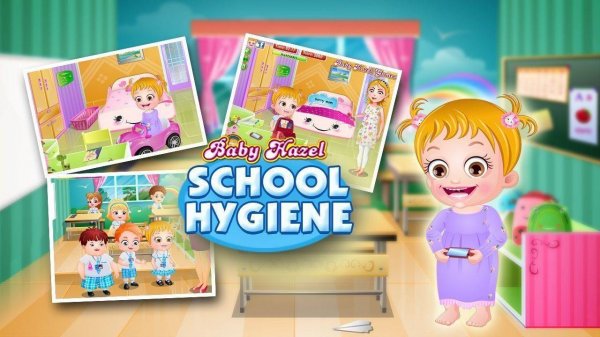
Little Lily School Routine Game turns everyday tasks into a playful sequence. Children help the main character get ready by following a clear order of actions. The game focuses on small but meaningful habits like cleaning nails, polishing shoes, and choosing a tidy outfit. Each completed step brings a sense of accomplishment, encouraging kids to repeat the process. The interface uses bright visuals and simple touch points, making it easy for even the youngest players to participate.
Learning Through Repetition
Repetition is key to building habits, and this game embraces that idea. Each round follows the same structure, allowing children to become familiar with the routine. Over time, they internalize the order of tasks without feeling rushed. The game rewards consistency with cheerful animations, reinforcing the idea that taking care of oneself can be a positive experience. Parents can use this as a conversation starter about why these steps matter in daily life.
Visual Design for Young Eyes
The art style uses soft colors and friendly shapes to create a welcoming atmosphere. Characters have expressive faces that react to player actions, adding an emotional layer to the experience. The backgrounds are simple but detailed enough to hold attention. Icons and buttons are large and clearly labeled, reducing confusion. This thoughtful design helps maintain focus on the task at hand without overwhelming the player.
Encouraging Independence
One of the game's strengths is how it promotes self-reliance. Children make choices about which item to use next, fostering decision-making skills. The game provides gentle hints if a player hesitates, but never forces a specific action. This balance allows kids to explore at their own speed, building confidence as they master each step. The result is a tool that feels more like a playful guide than a rigid lesson.
Parental Involvement Tips
While the game is designed for independent play, it also works well as a shared activity. Adults can sit with their child and talk through each step, connecting the game actions to real-world routines. For example, after polishing shoes in the game, a parent might show the child how to wipe their own shoes. This bridge between virtual and real learning deepens the educational value. The game becomes a springboard for broader conversations about health and responsibility.