Core Gameplay Focus
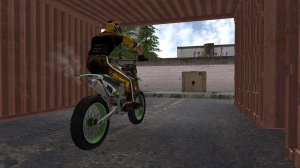
Urban Cycle Balance Challenge centers on the rider's ability to maintain steady control while moving through a busy city environment. Unlike traditional racing games that reward high speed, this experience prioritizes careful throttle management and weight distribution. Each course presents a mix of elevated paths, open gaps, and moving vehicles that require the player to adjust their approach constantly. The learning curve feels natural, as early stages introduce basic balancing concepts before layering in more complex obstacles. This design encourages players to develop a feel for the bike's physics rather than memorizing patterns.
Course Layout & Obstacles
The city setting provides a dynamic backdrop with routes that change in elevation and width. Players encounter narrow ledges that demand slow, deliberate movement, followed by wider sections where maintaining momentum becomes important. Gaps between buildings or over streets require timed jumps, and success depends on approaching them with the correct speed. Moving traffic adds an element of unpredictability, as cars and trucks follow set paths but require the rider to choose safe moments to cross. The variety keeps each run feeling fresh, and the layout encourages players to study the environment to find efficient lines.
Control System & Feedback
Controls are straightforward, typically using arrow keys or on-screen buttons for acceleration, braking, and leaning. The simplicity allows players to focus on the core challenge of balance rather than complex inputs. The game provides clear visual and audio feedback when the rider is off balance or approaching an obstacle, helping players correct their actions in real time. This responsive design makes it easy to understand mistakes and adjust strategies. As players progress, they learn to modulate speed and lean angles, which becomes essential for navigating tighter sections without falling.
Progression & Replay Value
Each completed course unlocks the next, creating a clear sense of advancement. The difficulty increases gradually, introducing new obstacle combinations that test previously learned skills. Players can revisit earlier levels to refine their technique and aim for cleaner runs, which is useful for building confidence before tackling harder stages. The game does not rely on timers or score multipliers, so the focus remains on personal improvement. This structure supports short play sessions, making it easy to pick up for a few minutes or settle into a longer practice session.
Visual Style & Atmosphere
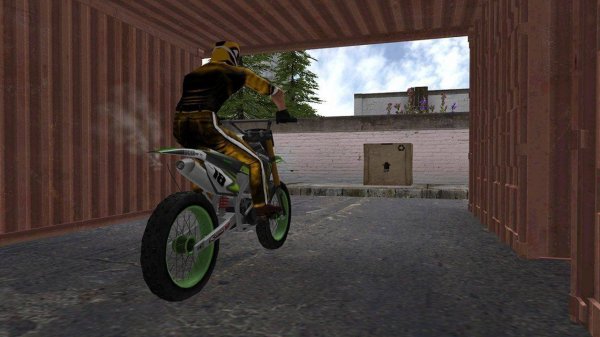
The city environment is rendered in a clean, colorful style that avoids clutter. Buildings, roads, and vehicles are distinct without being distracting, allowing the player to focus on the bike and obstacles. The color palette uses bright tones during daytime levels and cooler shades for evening courses, which helps differentiate stages visually. Animations are smooth, with the rider leaning naturally into turns and reacting to bumps. The overall presentation supports the gameplay by providing clear visual cues about speed, balance, and upcoming hazards.
Skill Development & Mindset
Success in this game comes from patience and deliberate practice rather than quick reflexes. Rushing through sections often leads to falls, so players learn to read each obstacle and plan their approach. The game rewards steady hands and a calm mindset, as overcorrecting can throw the bike off balance. Over time, players develop a better sense of timing and spatial awareness, which translates into smoother runs. This focus on skill building makes the experience satisfying for those who enjoy mastering a game's mechanics through repetition and adjustment.