Core Gameplay Loop
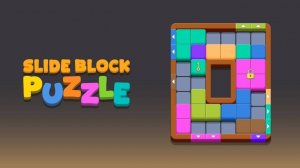
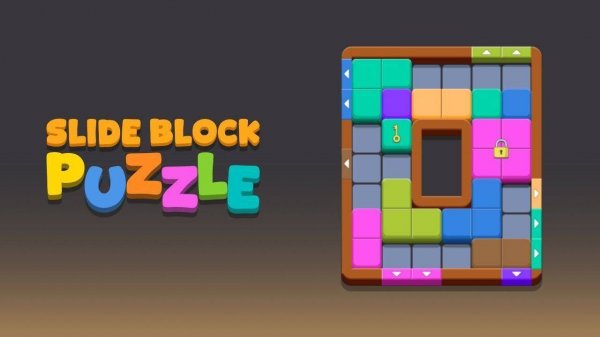
Players interact with a grid of movable tiles, each restricted to straight-line movement. The primary objective involves repositioning these blocks so a specific tile can slide out through a designated opening. This simple premise requires foresight, as each tile can only travel in one direction at a time and cannot pass through others.
Level Design Philosophy
Each stage presents a unique configuration of tiles, gradually increasing in complexity. Early levels introduce basic obstacles, while later ones require multi-step sequences to solve. The difficulty curve is gentle, ensuring that players can build their spatial reasoning skills without feeling overwhelmed.
Visual Style and Atmosphere
The tiles feature bright, distinct colors that make each puzzle easy to scan. The overall aesthetic is clean and uncluttered, with no distracting animations or effects. This minimalist approach helps maintain focus on the logical challenge at hand.
Pacing and Accessibility
Without timers or scoring systems, the experience is entirely self-paced. Players can pause at any moment, making it suitable for short breaks or extended sessions. The controls are intuitive—simply tap and drag—allowing anyone from young children to older adults to participate.
Progression and Engagement
As players advance, they encounter puzzles that demand deeper planning. Some layouts may require temporarily moving tiles away from the exit before bringing them back into position. This progressive complexity keeps the mind active while preserving the calm, pressure-free environment.