Core Survival Loop
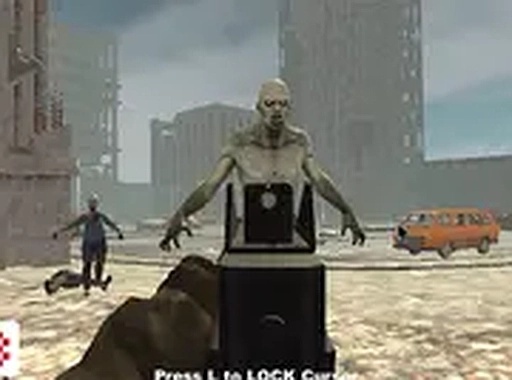
Urban Combat Arena centers on a straightforward but demanding objective: stay alive as long as possible. Each round introduces fresh groups of adversaries that move faster and appear in greater numbers. The city environment offers numerous structures and alleys that can serve as temporary refuge, but staying in one spot for too long invites trouble. Players must constantly evaluate their position, decide when to engage and when to relocate, and manage limited resources effectively.
Movement and Positioning
Success in Urban Combat Arena depends heavily on how well a player controls their character's movement. Using standard keyboard controls, players navigate through streets and open plazas while keeping an eye on approaching threats. The mouse controls aiming, allowing for quick targeting of nearby opponents. Finding good cover spots, such as behind walls or inside partially destroyed buildings, provides brief windows to recover and plan the next move. However, enemies adapt their approach, forcing players to change positions frequently.
Resource Collection
Scattered across the map are various pickups that can turn the tide of a match. These include energy packs that restore health and ammunition caches that keep weapons operational. Players must weigh the risk of moving into open areas to collect these items against the immediate danger of nearby opponents. Smart players learn the layout of the city to anticipate where useful items appear and plan routes that minimize exposure.
Difficulty Progression
The challenge escalates naturally as players survive more waves. Early rounds feature slower, fewer opponents that allow newcomers to learn the controls and map layout. As the game progresses, enemy speed increases, group sizes grow, and their paths become less predictable. This gradual ramp-up ensures that players have time to develop their skills before facing truly demanding situations. The game does not introduce sudden difficulty spikes, making it accessible to players of different experience levels.
Visual and Audio Design
The city setting is rendered with a clean, readable art style that makes it easy to distinguish between open areas, cover points, and item locations. Sound cues provide important feedback, such as the approach of enemies or the activation of a power-up. The interface remains minimal, keeping the focus on the action without unnecessary distractions. Full screen mode is supported for those who prefer an uninterrupted view of the battlefield.