Arena Dynamics and Layout
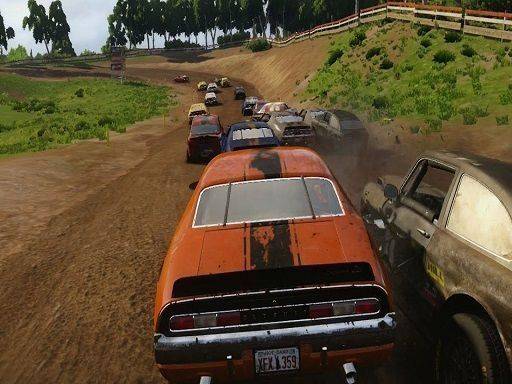
Each round places players in a contained arena filled with obstacles and hazards. The layout changes between matches, requiring drivers to adapt their approach. Barriers, ramps, and tight corridors create opportunities for clever positioning. Learning the arena's features helps players anticipate where opponents might move and where power-ups appear. The environment itself becomes a tool for those who study its patterns.
Vehicle Control and Physics
The game simulates realistic car handling, meaning acceleration, braking, and steering all affect traction and momentum. Collisions with obstacles or other cars cause damage and alter movement. Skilled drivers learn to balance speed with control, using gentle turns and timed braking to maintain stability. The physics system rewards precision over aggression, as careless driving leads to loss of control and increased wear.
Power-Up Strategy
Scattered across the arena are temporary boosts that can shift the outcome of a match. Speed enhancements allow for quick escapes or closing distances, while defensive items provide short-term protection. Collecting these items requires risk, as they often appear in exposed areas. Deciding when to go for a power-up versus maintaining a safe position is a key strategic choice. Timing their use can turn a losing position into a winning one.
Health Management and Survival
Each vehicle has a health bar that decreases with collisions and impacts. Managing this resource is essential for lasting through the round. Early aggression often leads to early elimination, so patient players who avoid unnecessary damage tend to perform better. The health system encourages a balanced approach: knowing when to engage and when to retreat. Repair pickups may appear, offering a chance to recover, but they are rare and contested.
Opponent Behavior and Adaptation
Rival cars are programmed with varied driving styles, making each encounter different. Some opponents are aggressive, chasing directly, while others prefer to hang back and wait for mistakes. The AI adapts to player tactics over the course of a round, forcing drivers to change their strategies. Observing opponent patterns and adjusting positioning accordingly is a skill that develops with experience. This variability keeps each match fresh and challenging.