What players say
Can you Reach 2048 offers a fresh take on the classic tile game by adding math questions after each round. The controls are smooth on both desktop and mobile. The math topics cover a good range from basic to advanced, making it useful for different ages. It encourages replayability as you try to beat your high score while also improving math skills. A solid educational tool that does not feel like studying.
About this game
Game Introduction
Can you Reach 2048 is an online puzzle game that combines the classic 2048 tile-sliding challenge with math skill practice. The goal is to slide numbered tiles on a grid to combine them, ultimately reaching the 2048 tile. But the fun does not stop there. After each game, you get to solve math questions covering topics like decimals, fractions, multiplication, and statistics. It is designed for players from preschool to 8th grade, making it a great tool for learning while having fun. The game runs directly in your browser on both desktop and mobile devices, with no downloads needed. Whether you are looking to sharpen your math skills or enjoy a relaxing puzzle, Can you Reach 2048 offers a balanced experience.
How to Play
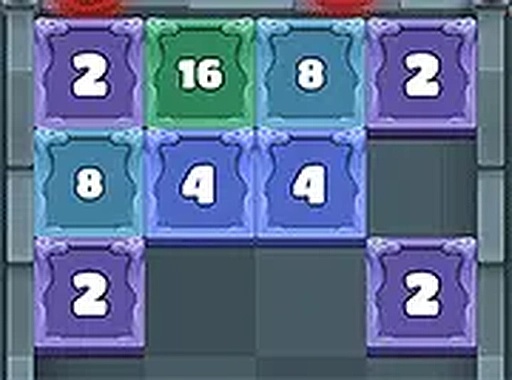
Start by sliding tiles on the grid using swipe gestures on mobile or arrow keys on desktop. Tiles with the same number combine when they touch, creating a new tile with a higher number. Keep combining to reach 2048. The game ends when the grid is full and no moves are possible. After finishing a game, you will be prompted to answer math questions. Choose from various skill levels and topics to practice. Each session is short, so you can study without feeling overwhelmed. The game saves your progress, letting you pick up where you left off.
Game Features
Combines puzzle fun with math learning. Suitable for all ages. Free to play. Mobile and desktop compatible. No downloads or registration required. Progress saves automatically. Multiple math topics and difficulty levels available.
Tips for Success
Focus on keeping your highest tile in one corner to avoid clutter. Plan moves ahead and avoid random swipes. Practice regularly to improve both puzzle strategy and math skills. Use the math questions as a learning opportunity, and try different difficulty levels to challenge yourself. Take breaks if you get stuck, as a fresh perspective often helps.